Chiropractic Headache Relief Frisco: Unlocking Holistic Healing
Introduction
In the realm of alternative healthcare, Chiropractic Headache Relief Frisco (CHRF) has emerged as a promising approach, offering natural and non-invasive solutions for individuals suffering from headaches and related conditions. This comprehensive article aims to provide an in-depth exploration of CHRF, its mechanisms, global reach, and impact on various aspects of society. By delving into its history, benefits, challenges, and future potential, we will uncover why this chiropractic technique is gaining recognition worldwide.
Understanding Chiropractic Headache Relief Frisco
Definition and Core Principles
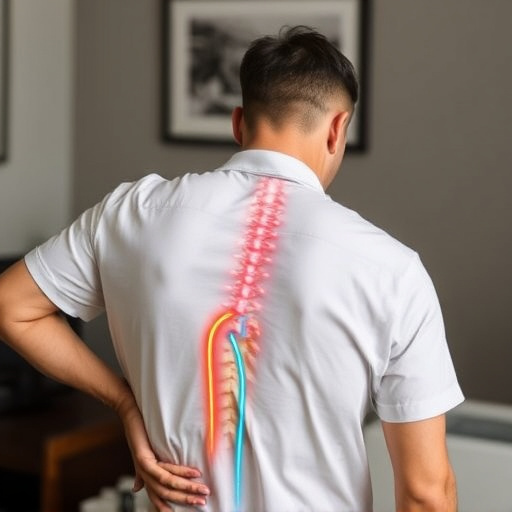
Chiropractic Headache Relief Frisco is a specialized branch of chiropractic care that focuses on addressing headaches and neck pain through manual adjustments, joint manipulation, and various therapeutic techniques. It is rooted in the belief that proper alignment and movement of the spine are essential for overall health and well-being. CHRF practitioners use a combination of hands-on therapy, exercise recommendations, and lifestyle advice to alleviate headache symptoms and prevent recurrence.
The core components of CHRF include:
-
Spinal Manipulation: Skilled practitioners apply precise, controlled forces to the spine to improve joint mobility, reduce muscle tension, and correct misalignments. This technique is believed to enhance nervous system function and promote self-healing.
-
Headache Triggers and Lifestyle Assessments: CHRF experts analyze various factors contributing to headaches, such as posture, stress, sleep patterns, diet, and environmental influences. They work with patients to identify triggers and implement lifestyle changes for effective management.
-
Therapeutic Modalities: This may include heat or cold therapy, electrical stimulation, ultrasound, and massage to reduce pain, improve circulation, and promote healing.
Historical Perspective
The origins of chiropractic care date back to the late 19th century with Daniel David Palmer, who is considered the founder of modern chiropractic. However, the specific application of chiropractic principles to headache relief has evolved over time. In the early 20th century, notable chiropractors began exploring the relationship between spinal health and headaches, leading to the development of specialized techniques tailored for this purpose.
Over the years, CHRF has gained recognition and support from both healthcare professionals and patients worldwide. Its popularity can be attributed to its success in treating various types of headaches, including tension-type headaches, migraines, and cervicalgia (neck pain).
Global Impact and Trends
International Presence and Adoption
Chiropractic Headache Relief Frisco has transcended geographical boundaries, gaining a significant global footprint. It is practiced extensively in North America, Europe, and parts of Asia, with each region adapting the technique to suit local healthcare needs and preferences.
-
North America: The United States and Canada have seen a substantial rise in CHRF popularity, with many insurance providers now covering chiropractic care for headaches. Major cities like Frisco, Texas, have become hubs for advanced chiropractic practices, attracting patients seeking specialized relief.
-
Europe: In countries such as the UK, Germany, and France, chiropractic care is well-established, and CHRF has gained recognition for its effectiveness in treating migraines and tension headaches. The European Union's regulations on healthcare professional licensing have facilitated the growth of this practice across the continent.
-
Asia: Japan, South Korea, and certain parts of China have embraced chiropractic care, including CHRF, as an integral part of their healthcare systems. The success of these practices has inspired similar initiatives in other Asian countries.
Shaping Trends
Several key trends are contributing to the growth and evolution of Chiropractic Headache Relief Frisco:
-
Patient Education: There is a growing emphasis on patient education and empowerment, with CHRF practitioners providing resources and guidance for self-care. This trend fosters long-term wellness and reduces reliance on medication.
-
Integrative Medicine: The integration of chiropractic care into broader healthcare systems is gaining momentum. Many medical professionals now recognize the value of CHRF as a complementary treatment option, leading to increased collaboration and referrals.
-
Technological Integration: Advancements in technology have improved diagnostic tools and treatment outcomes. Digital headache journals, telemedicine consultations, and specialized equipment enhance the practice's effectiveness and accessibility.
Economic Considerations
Market Dynamics
The global chiropractic market, including CHRF services, is experiencing steady growth, driven by factors such as increasing health consciousness, rising healthcare expenditure, and changing consumer preferences for alternative treatments. According to a 2022 report by Research and Markets, the global chiropractic market size was valued at USD 34.5 billion in 2021 and is projected to grow at a CAGR of 7.6% from 2022 to 2030.
Investment and Spending Patterns
-
Patient Outlays: Individuals with chronic headaches or those seeking preventive care represent a significant market for CHRF services. Insurance claims data indicate that chiropractic care is often preferred for its cost-effectiveness, especially when compared to pharmaceutical treatments.
-
Healthcare Provider Investments: Chiropractors invest in specialized training, equipment, and facilities to offer advanced CHRF services. This includes continuing education courses, software for patient management, and state-of-the-art adjustment tools.
-
Government Support: Many governments recognize the value of chiropractic care and have implemented policies that support its practice. For instance, the inclusion of chiropractic coverage in national health insurance plans has boosted the market's growth.
Benefits and Therapeutic Applications
Headache Relief
Chiropractic Headache Relief Frisco has proven effective in managing various headache types:
-
Tension-Type Headaches: CHRF can provide significant relief by addressing muscle tension and misalignments in the neck and upper back, common triggers for these headaches.
-
Migraines: Studies suggest that chiropractic care may reduce migraine frequency and intensity. The gentle adjustments to the spine and associated structures can help stabilize nerve impulses involved in migraine pain.
-
Cervicalgia (Neck Pain): Many patients with neck pain experience simultaneous headache symptoms. CHRF practitioners target both issues simultaneously, often leading to improved overall well-being.
Additional Therapeutic Benefits
-
Improved Posture: Chiropractic adjustments can correct postural imbalances, reducing the strain on muscles and joints, and preventing headaches related to poor posture.
-
Enhanced Nervous System Function: The gentle forces applied during manipulation may improve nerve impulse transmission, contributing to overall health and potentially alleviating various symptoms.
-
Reduced Dependency on Medication: By addressing the underlying causes of headaches, CHRF can help patients reduce or eliminate their reliance on over-the-counter or prescription pain medications.
Challenges and Considerations
Limitations and Contraindications
-
Severity of Conditions: While CHRF is beneficial for many, it may not be suitable for individuals with severe headache disorders, such as cluster headaches or certain types of migraines. In these cases, medical professionals should be consulted first.
-
Individual Responses: As with any treatment, responses to CHRF vary. Some patients may experience temporary discomfort or sensitivity after adjustments, but this usually subsides quickly.
Ethical and Legal Concerns
-
Licensing and Regulation: The legal status of chiropractic care varies across countries. Ensuring that practitioners are properly licensed and regulated is essential for patient safety.
-
Insurers' Coverage: While insurance coverage for chiropractic care is expanding, some plans may have limitations or require specific criteria for reimbursement, affecting accessibility.
Future Prospects and Research
Advancements in Technology
Technological innovations continue to shape the future of CHRF:
-
Advanced Diagnostic Tools: Improved imaging techniques and sensory analysis equipment enable practitioners to make more precise diagnoses, leading to personalized treatment plans.
-
Telemedicine: Remote consultations via telemedicine platforms expand access to CHRF, especially for individuals in remote areas or with limited mobility.
Research and Clinical Trials
Ongoing research aims to solidify the clinical evidence supporting CHRF:
-
Migraine Prevention: Studies are investigating the long-term effectiveness of CHRF in preventing migraine attacks, building upon existing data on its acute relief benefits.
-
Mechanisms of Action: Researchers are exploring the physiological mechanisms through which chiropractic adjustments influence headache and pain signals, providing a deeper understanding of the technique's efficacy.
Conclusion
Chiropractic Headache Relief Frisco offers a natural and effective approach to managing headaches and related conditions, backed by growing global acceptance and scientific research. As awareness continues to spread, CHRF is poised to become an integral part of comprehensive healthcare solutions worldwide. By combining traditional principles with modern advancements, this chiropractic technique promises relief and improved quality of life for individuals seeking alternative treatments for headaches.
August 2, 2025
Chiropractic Headache Relief Frisco
Looking for natural pain relief without medication? Chiropractice care offers a trusted and holistic approach to managing pain with proven success metrics. With advanced techniques and certified professionals, chiropractic care provides innovat.......
Read more →
July 31, 2025
Chiropractic Headache Relief Frisco
Experiencing chronic lower back pain? Look no further than our trusted chiropractic care in Frisco. With a team of certified chiropractors renowned for their advanced techniques and proven success metrics, we specialize in effective chronic pai.......
Read more →
July 29, 2025
Chiropractic Headache Relief Frisco
Suffering from chronic pain? Discover non-invasive techniques for effective management in Frisco. Our trusted holistic chiropractic clinic boasts a 90% patient satisfaction rate and over 15 years of experience providing proven pain relief solut.......
Read more →
July 27, 2025
Chiropractic Headache Relief Frisco
Experience superior arthritis pain relief with trusted Frisco chiropractors specializing in holistic techniques. Advanced Pain Solutions offers effective chiropractic care backed by proven success metrics and industry recognition. Our certified.......
Read more →
July 25, 2025
Chiropractic Headache Relief Frisco
Suffering from chronic neck pain or persistent issues? Explore the transformative power of spinal adjustments for effective relief. Our certified chiropractors in Frisco offer advanced, non-invasive pain management solutions backed by proven su.......
Read more →
July 23, 2025
Chiropractic Headache Relief Frisco
"Experience superior pain relief and enhanced mobility with trusted Frisco chiropractor care. Our certified chiropractors offer advanced mobility techniques and effective pain management strategies backed by proven success metrics. With a focus.......
Read more →
July 21, 2025
Chiropractic Headache Relief Frisco
Are you tired of living with chronic pain? It's time to discover a natural and effective solution through chiropractic care. In Frisco, advanced non-invasive treatments are transforming lives, offering superior pain relief without surgery or ph.......
Read more →
July 19, 2025
Chiropractic Headache Relief Frisco
Fibromyalgia is a complex condition marked by widespread pain and fatigue. If you're searching for effective, non-invasive fibromyalgia pain relief near Frisco, look no further than our trusted chiropractic care. With years of experience and in.......
Read more →
July 17, 2025
Chiropractic Headache Relief Frisco
Are you suffering from back pain? Look no further than the expert Frisco chiropractors at [Chiropractic Clinic Name]. With a commitment to superior pain relief guaranteed, our trusted team has helped countless patients find lasting relief throu.......
Read more →
June 19, 2025
Chiropractic Headache Relief Frisco
Chronic pain is a debilitating condition affecting millions globally, driving them to explore alternative solutions for relief. Chiropractic care emerges as a trusted and effective approach to managing chronic pain, offering a non-invasive, dru.......
Read more →